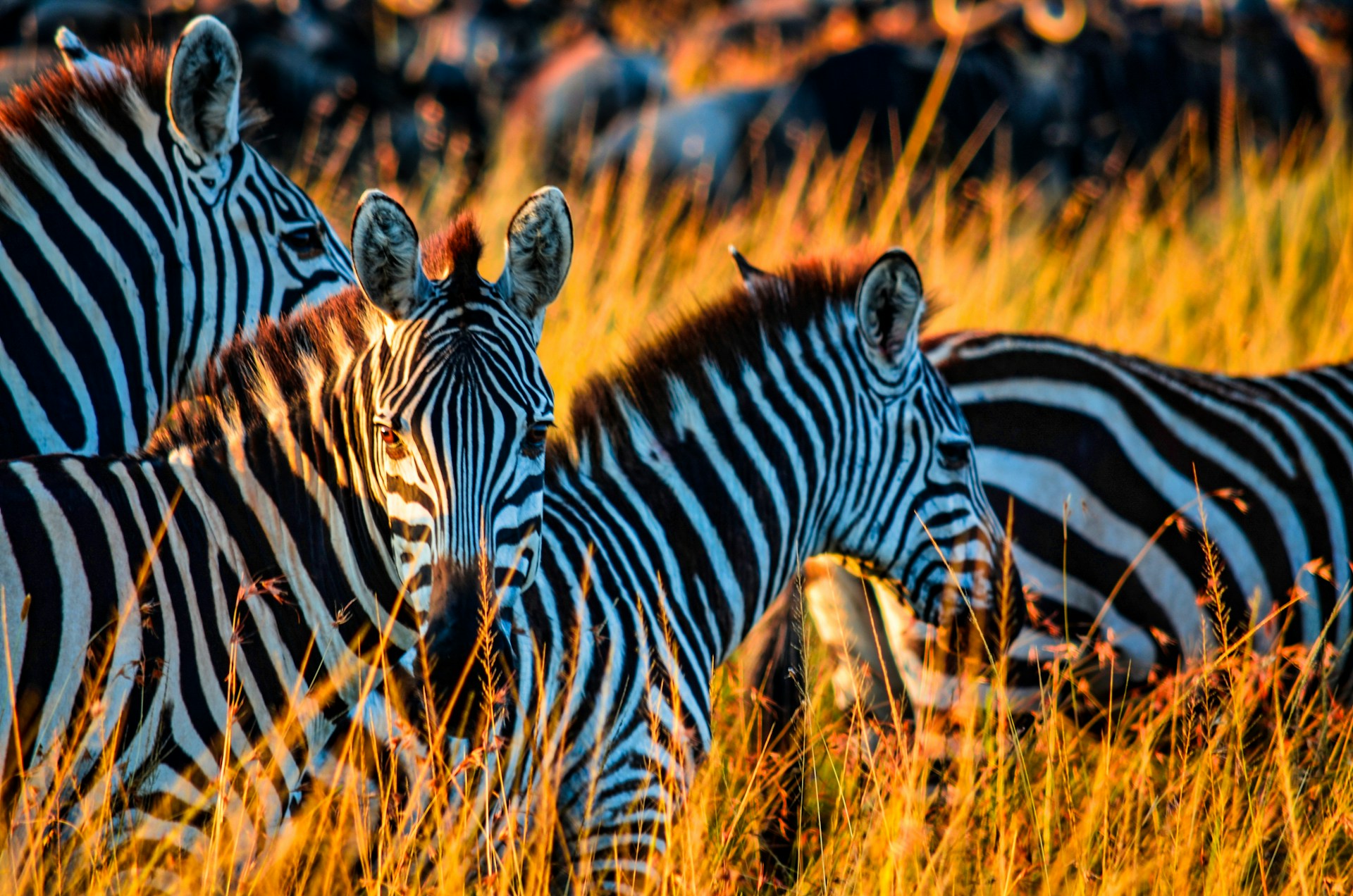

Tanzania offers some of the most spectacular wildlife photography experiences in the world, where nature's raw beauty unfolds through your lens.

Why Choose Tanzania for Wildlife Photography?
Tanzania is renowned for its diverse ecosystems and abundant wildlife, making it a premier destination for wildlife photography. From the vast plains of the Serengeti to the unique ecosystem of the Ngorongoro Crater, photographers have access to countless opportunities to capture iconic species such as lions, elephants, and wildebeests. The country’s commitment to conservation ensures healthy animal populations and natural landscapes that provide breathtaking backdrops for your shots.

Top Locations for Stunning Wildlife Shots
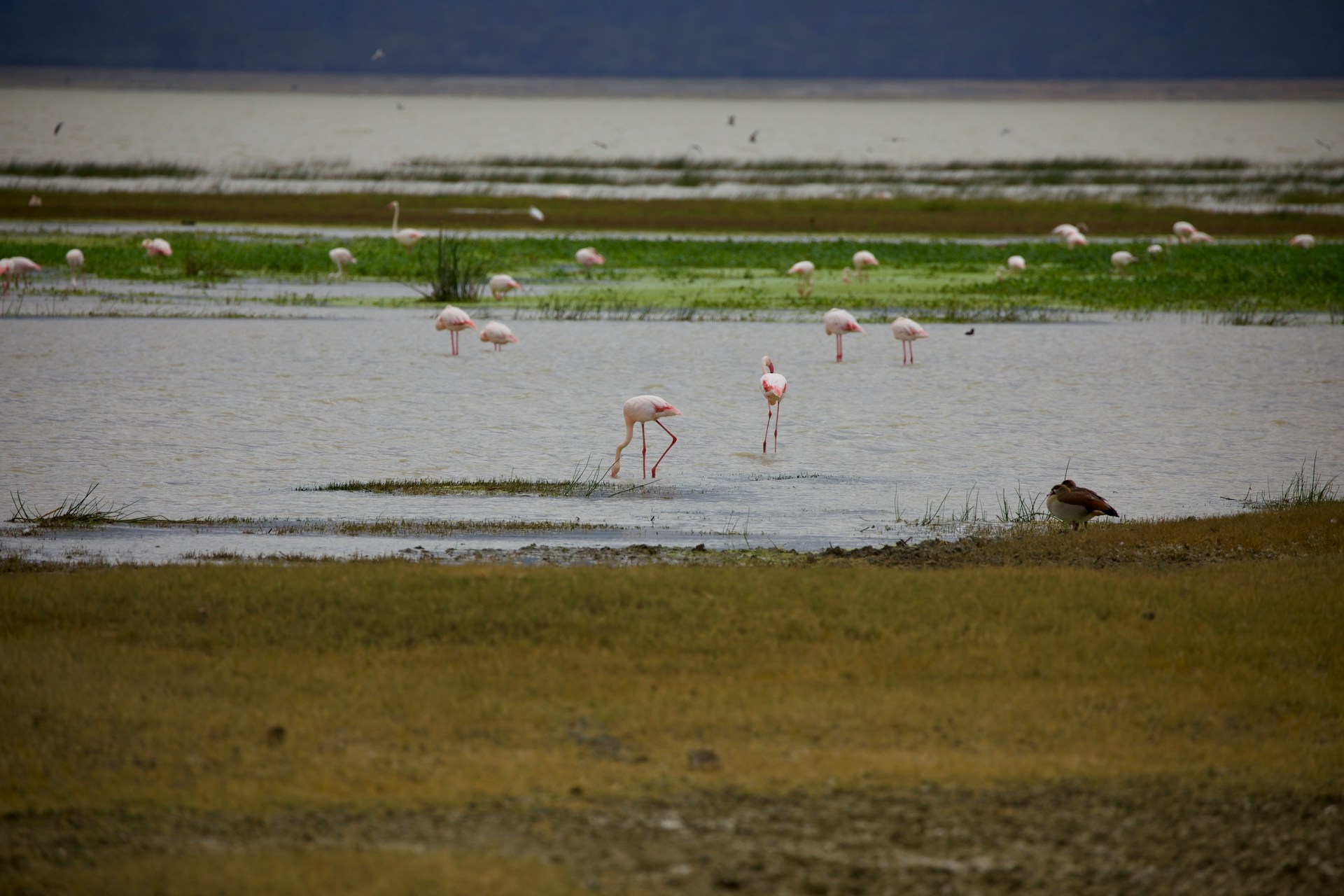
Among Tanzania's many wildlife hotspots, the Serengeti National Park stands out as a must-visit for photographers, especially during the Great Migration. The Ngorongoro Conservation Area offers a unique chance to photograph predators and prey in close proximity within a volcanic caldera. Other notable spots include Tarangire National Park, known for its giant elephant herds and baobab trees, and Lake Manyara National Park, where you can capture flamingos and tree-climbing lions. Each location presents distinct lighting and animal behavior ideal for compelling images.

Tips for Successful Wildlife Photography in Tanzania
Preparing for a wildlife photography trip in Tanzania requires more than just equipment. To maximize your success, consider the best times for animal activity and lighting conditions, particularly early morning and late afternoon. Use a telephoto lens to capture close-up details without disturbing the wildlife. Patience and respect for the animals’ natural behavior are crucial. Hiring a knowledgeable guide can provide invaluable insight into animal habits and the best photography vantage points.
FAQ
When is the best time for wildlife photography in Tanzania?
The dry season from late June to October is ideal for wildlife photography as animals gather near water sources, making them easier to spot. Early mornings and late afternoons offer the best natural lighting for striking photos.
What camera equipment is recommended for photographing wildlife in Tanzania?
A DSLR or mirrorless camera with a telephoto lens of at least 300mm is recommended to capture close-up shots from a safe distance. A sturdy tripod and extra batteries will also enhance your shooting experience.
Are photography safaris in Tanzania guided or self-driven?
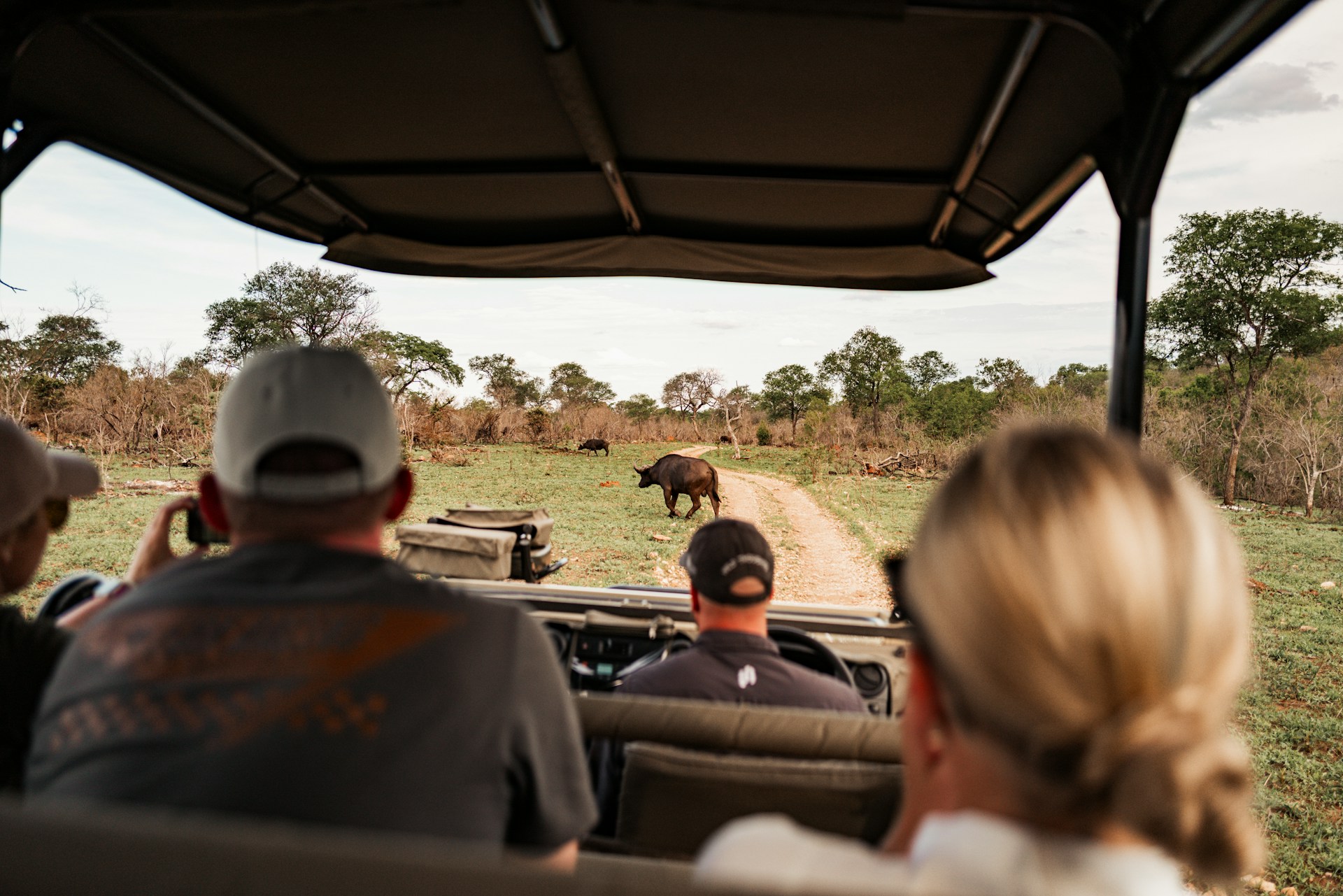
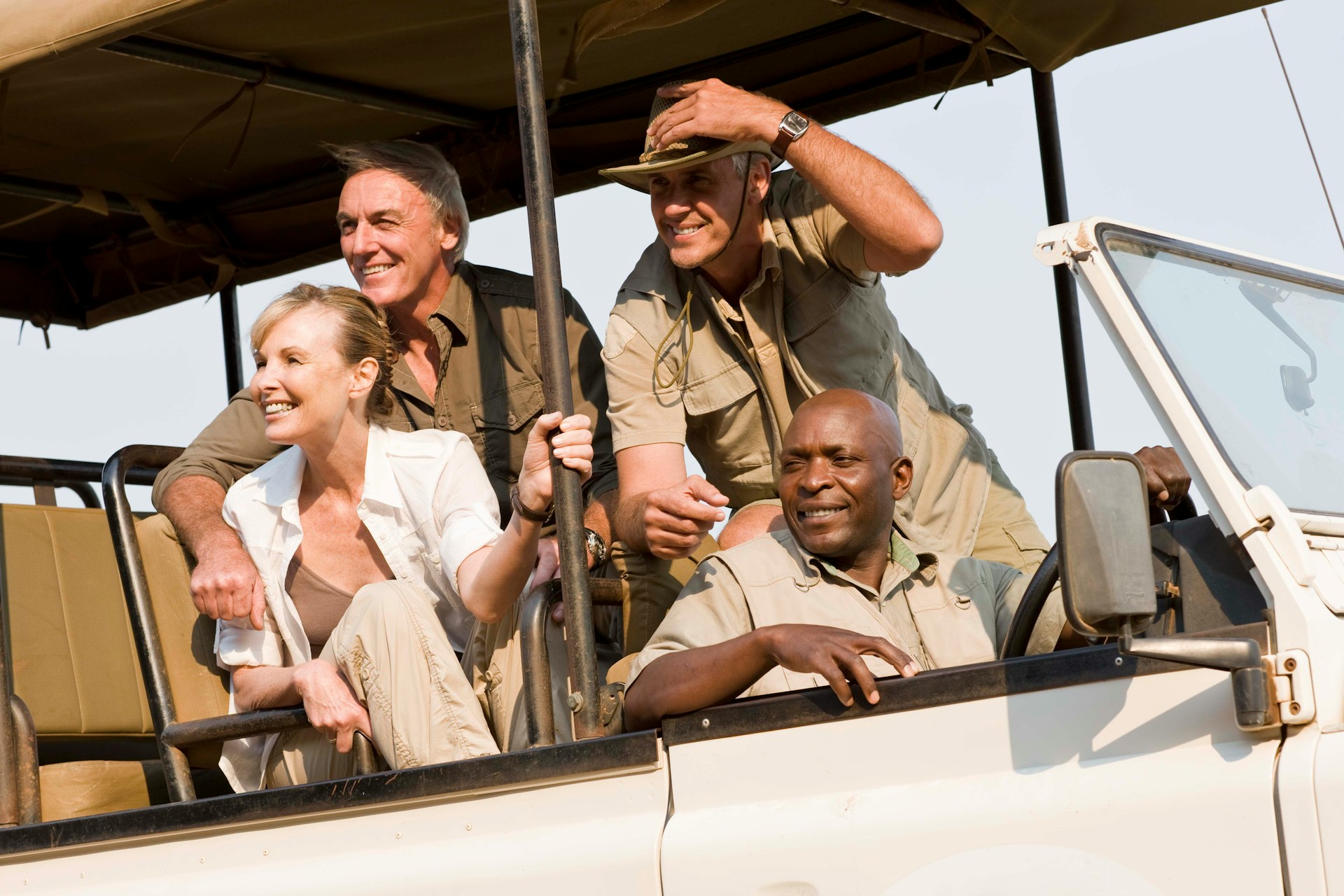
Most wildlife photography safaris in Tanzania are guided to maximize sightings and ensure safety. Professional guides know animal behaviors and the best locations to position for perfect shots.
Do I need special permits or fees for wildlife photography in Tanzania?
While no special permits are required specifically for photography, entrance fees to national parks and conservation areas apply. Some locations may charge additional fees for professional photography.
Ready to Capture Tanzania’s Wildlife Wonders?
Embark on an unforgettable wildlife photography safari in Tanzania and bring home images that tell the story of Africa’s wild heart. Start planning your adventure today with expert guides and top locations waiting to be explored.