

A journey into the fairytale landscapes and historic charm just a short venture from Lisbon.
Why this experience is worth it
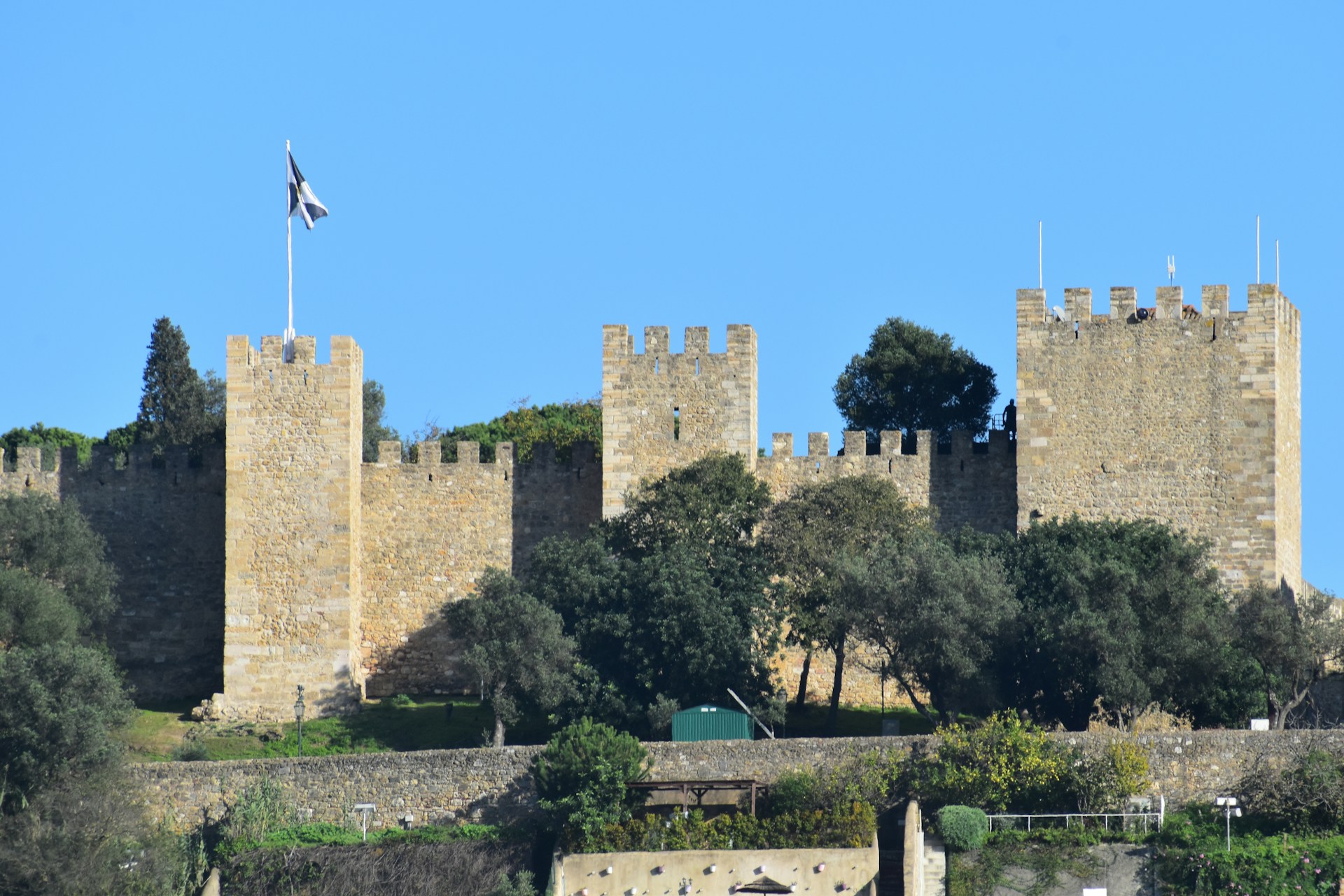
The Sintra Day Trip offers a unique chance to step away from the bustling city of Lisbon and explore a UNESCO World Heritage site famed for its lush landscapes, romantic palaces, and intriguing history. This excursion typically highlights the captivating Pena Palace, the Moorish Castle, and the quaint town center, making it a special way to immerse yourself in Portugal’s rich cultural tapestry.
Who it’s best for
This day trip is often a great fit for those who enjoy history, architecture, and nature. Couples may find the romantic settings particularly appealing, while families can appreciate the variety of sights that cater to different interests. Solo travelers and culture enthusiasts will likely value the blend of visual splendor and historical depth.
Simple tips before you go
It’s usually best to visit earlier in the day to avoid the larger crowds and to dress in comfortable shoes suited for walking. Bringing a bottle of water and some snacks can be handy, as well as a camera to capture the stunning views. Weather can vary, so packing a light jacket or sun protection depending on the season is advisable.
FAQ
Is the Sintra Day Trip physically demanding?
The trip often involves moderate walking and some uphill routes, so having comfortable footwear and a reasonable level of fitness can enhance the experience.
Can families with children enjoy the trip?
Yes, families typically find the diverse attractions engaging for different age groups, although some sites may require extra supervision due to stairs or uneven paths.
Are meals included during the trip?
Meals are generally not included, but you may find various local cafes and eateries to try traditional Portuguese cuisine during your visit.
What to expect
During the trip, you may find yourself wandering through beautifully preserved palaces and gardens, offering plenty of photo opportunities and moments of quiet reflection. The area’s hilly terrain means there could be a fair amount of walking involved, often on uneven surfaces. Typically, local guides or audio tours provide context about the historical significance of each site.