

Rome, the Eternal City, is a captivating blend of ancient history, vibrant street life, and exquisite Italian culture. From iconic landmarks like the Colosseum and Vatican City to charming piazzas and authentic trattorias, Rome offers a rich experience for every traveler.
Whether you're a history buff, art lover, or food enthusiast, exploring Rome promises unforgettable moments infused with timeless beauty and lively atmosphere.

Top things to do
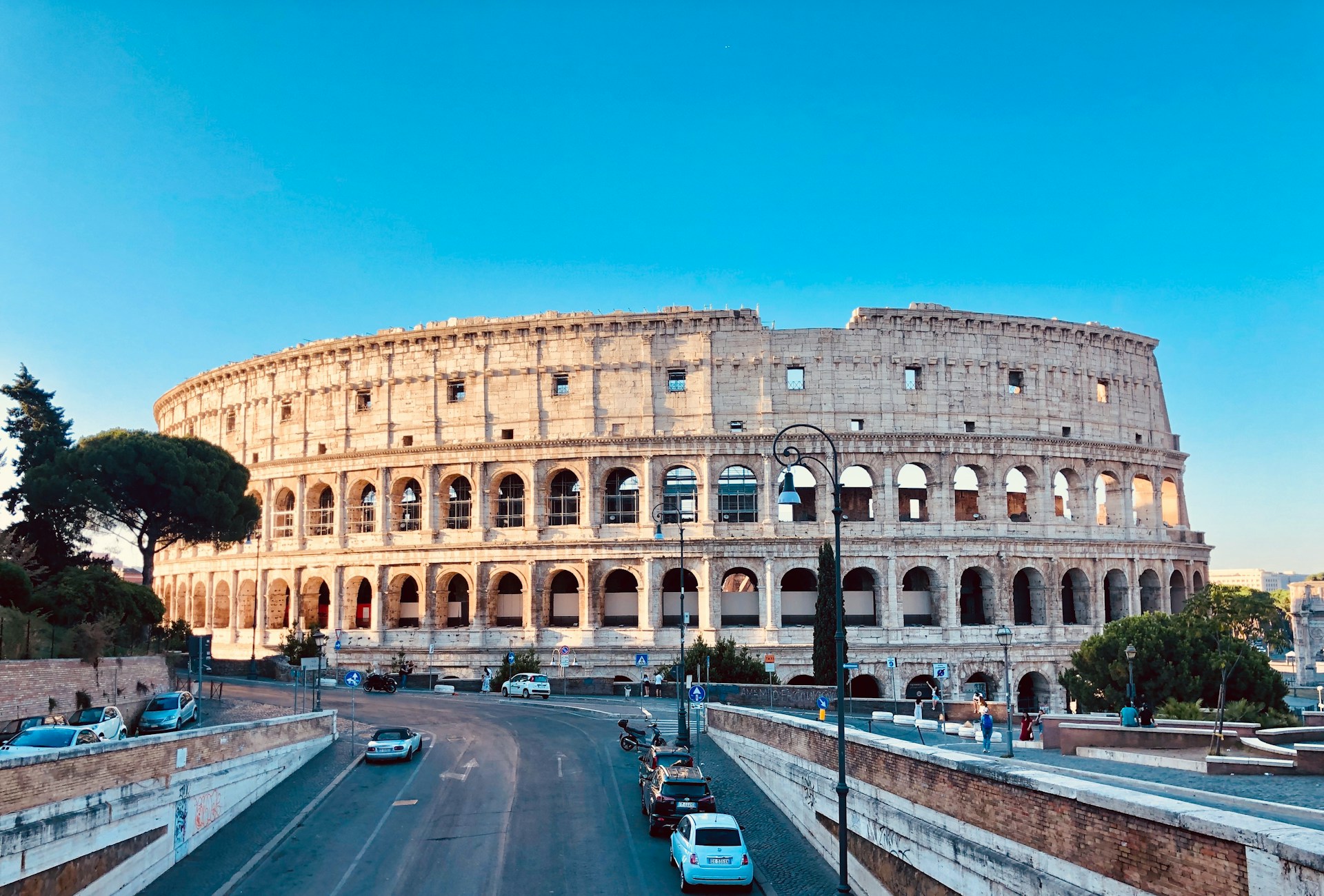
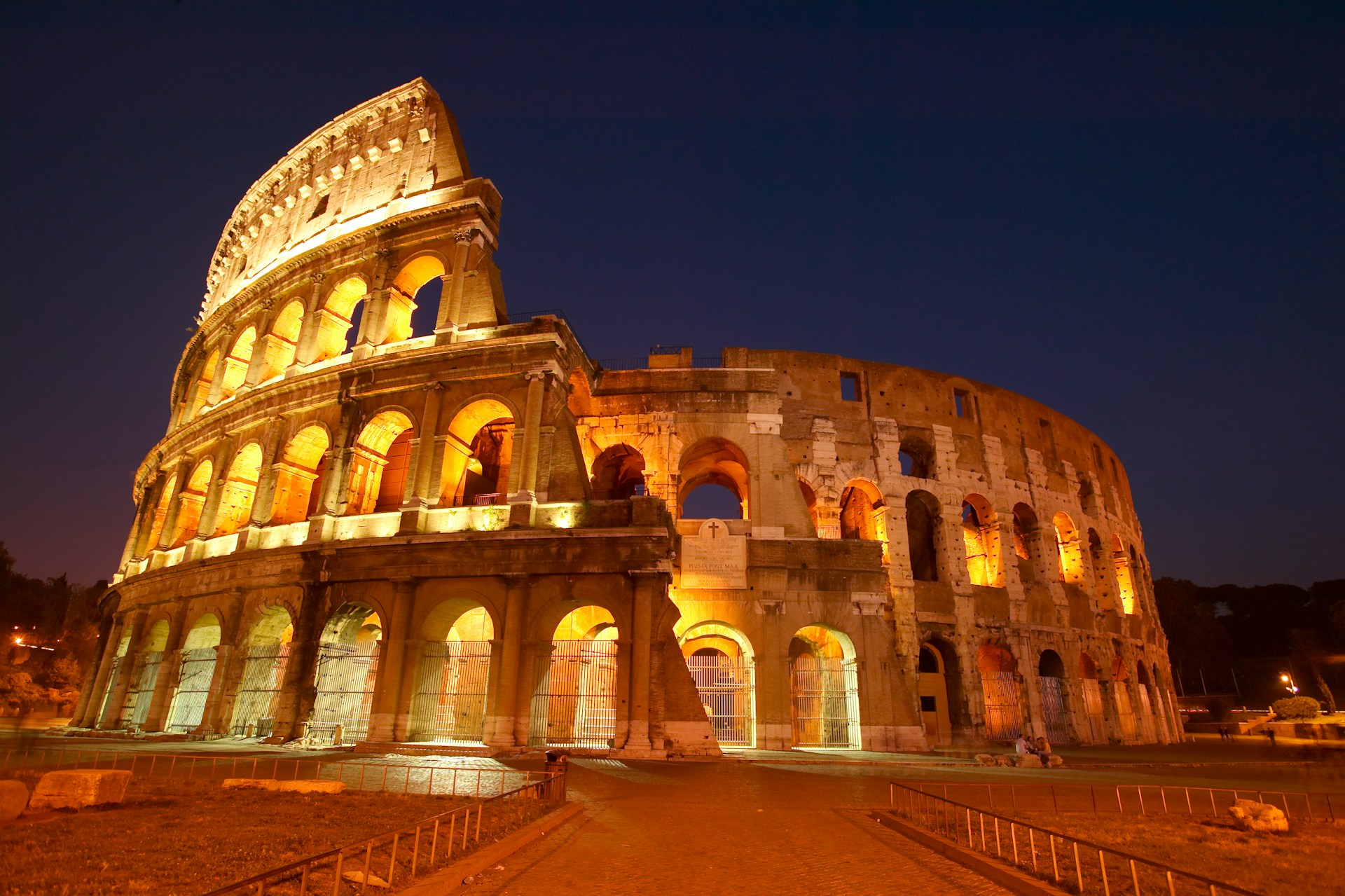
Start your Roman adventure with a visit to the Colosseum, a monumental symbol of ancient Rome's architectural and engineering prowess. Nearby, the Roman Forum and Palatine Hill offer insights into the city's imperial past. No trip is complete without exploring Vatican City, home to St. Peter's Basilica and the Sistine Chapel, where masterpieces by Michelangelo await.
Wander through charming neighborhoods like Trastevere, known for its narrow cobblestone streets and vibrant nightlife. Relax at the Spanish Steps or toss a coin into the Trevi Fountain, a tradition believed to ensure a return visit. Art lovers should consider the Borghese Gallery, which houses a stunning collection of sculptures and paintings.

Culinary experiences
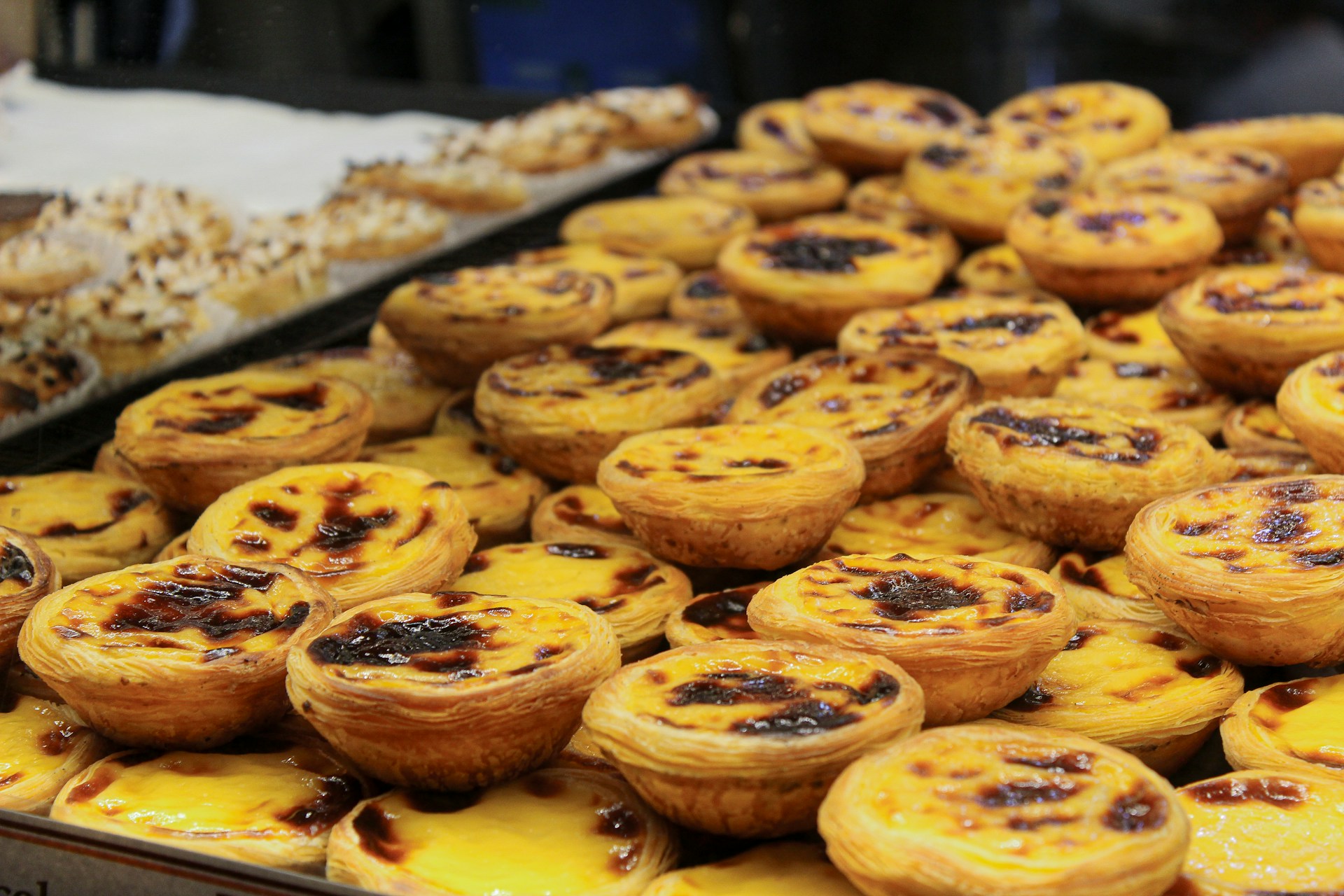
Rome’s cuisine is a celebration of simplicity and quality ingredients. Sample traditional dishes such as carbonara, cacio e pepe, and supplì at local trattorias. Don’t miss the chance to enjoy gelato while strolling through piazzas or to savor espresso at a bustling café.

Best time to visit
The most pleasant times to visit Rome are typically spring and autumn, when the weather is mild and the city is less crowded. Late March through May and September through October often offer comfortable temperatures ideal for sightseeing. Summer can be hot and busy, but early mornings and evenings provide some respite. Winter months are quieter and can be charming, though some attractions may have shorter opening hours.
Getting around
Rome’s historic center is quite compact and best explored on foot to soak in its atmosphere and discover hidden gems. For longer distances, the city offers an extensive public transportation network including buses, trams, and metro lines. Consider purchasing a transport pass if you plan to use public transit frequently.
Taxis are available but can be more expensive and sometimes slower during peak traffic. Biking and electric scooters have become popular options for short trips, especially in less crowded areas.
Where to stay
Choosing where to stay in Rome depends on your interests and budget. The historic center offers proximity to major landmarks and lively piazzas, making it ideal for first-time visitors. Trastevere provides a more bohemian vibe with charming streets and vibrant nightlife.
For a quieter experience, consider neighborhoods like Prati, near the Vatican, or Monti, known for its boutique shops and cafes. Rome also offers a range of accommodations from luxury hotels and boutique guesthouses to budget-friendly hostels and apartments.
Suggested itineraries
1 day
Focus on the essentials by visiting the Colosseum, Roman Forum, and Palatine Hill in the morning. Spend the afternoon at Vatican City exploring St. Peter's Basilica and the Vatican Museums. End your day with dinner in Trastevere.
2–3 days
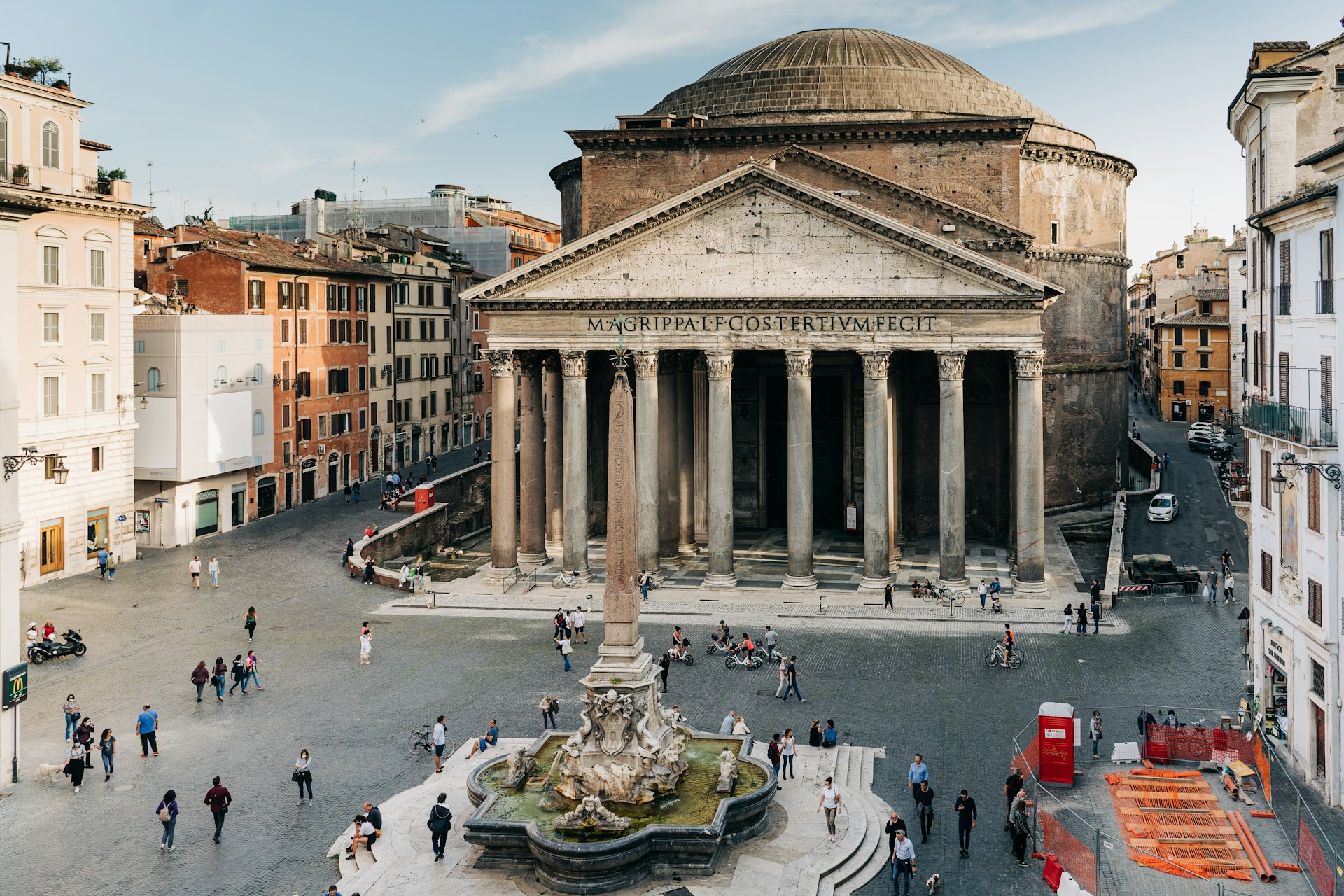
In addition to the 1-day highlights, dedicate time to wandering around the Pantheon, Piazza Navona, Trevi Fountain, and Spanish Steps. Visit the Borghese Gallery and relax in Villa Borghese gardens. Enjoy leisurely meals in different neighborhoods to experience Rome’s culinary diversity.
4–5 days
Extend your stay to explore less-visited sites such as the Catacombs, Appian Way, and the Baths of Caracalla. Consider day trips to nearby towns like Tivoli to see Villa d’Este and Hadrian’s Villa. Use extra time to immerse yourself in local markets and hidden corners of the city.
FAQ
Is Rome safe for tourists?
Rome is generally safe for tourists, especially in well-traveled areas. As with any major city, it’s wise to stay alert, avoid poorly lit streets at night, and keep an eye on personal belongings to prevent pickpocketing.
Do I need to book tickets in advance for major attractions?
It’s often recommended to book tickets in advance for popular sites like the Colosseum and Vatican Museums to avoid long lines and ensure availability, particularly during peak seasons.
What is the local currency and payment methods accepted?
The local currency is the Euro (€). Credit cards are widely accepted in hotels, restaurants, and shops, but having some cash on hand can be useful for small purchases or markets.
Can I use English to communicate in Rome?
English is commonly understood in tourist areas, hotels, and restaurants. Learning a few basic Italian phrases can enhance your experience and is appreciated by locals.
Start Planning Your Roman Adventure Today
Ready to explore the timeless beauty of Rome? Use this guide to craft your perfect itinerary, discover the best neighborhoods to stay, and experience the city like a local. Your unforgettable Roman holiday awaits!